
Category: Economy (Page 1 of 12)

Trump’s tariffs create headaches for U.S. spirits industry

Jim Beam bottle of whiskey next to cocktails on bar

Donald Trump has created a mess with his tariffs, and we’re starting to see evicence across various industries.

The spirits industry in the U.S. is facing all sorts of challenges. Young people are drinking much less alcohol. The post-Covid booze boom has subsided. And there’s a ton of supply. One executive in the beer business told me this is the worst year of his 35-year career.

The recent news from Jim Beam has certainly rattled people. The company is pausing production of its flagship bourbon product for all of 2026! That’s a real punch in the gut.

The Wall Street Journal Editorial Board doesn’t mince words as they place blame squarely and Trump an dhis tariffs. Even as some tariffs are lifted, the damage has been done. Canadians hate him and gleefully avoid American products. So it’s much more than a simple cost issue. It’s a destruction of the American brand. It will be interesting to see how this starts to manifest in other industries.

Amazon Cuts 14,000 Jobs

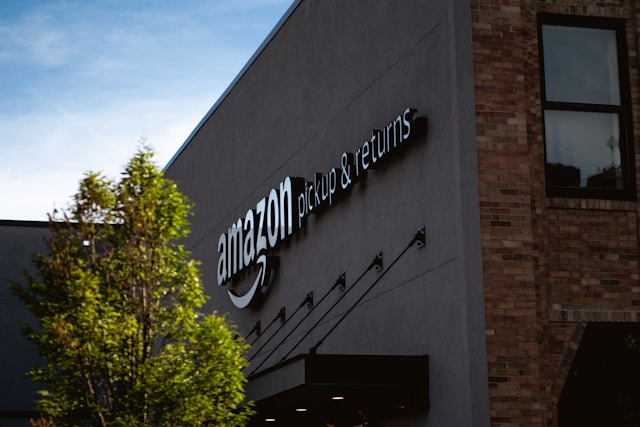
Amazon building

Job losses tied to AI are accelerating.

In a move that underscores the relentless pace of technological disruption, Amazon announced on October 31, 2025, plans to eliminate approximately 14,000 roles across its corporate workforce. This latest round of reductions, detailed in an internal memo from HR SVP Beth Galetti, continues the e-commerce giant’s efforts to streamline operations amid explosive growth in artificial intelligence. While Amazon frames the changes as necessary for agility and customer focus, they highlight a stark reality: AI is not just augmenting jobs—it’s eliminating them in the short term, forcing companies to rethink workforce structures in ways that prioritize speed over scale.

Continue reading »

Chipotle earnings a warning sign for the economy

iphone with Chipotle app

The latest news from Chipotle is crushing the company’s stock, but it’s even worse news for the economy. Here’s a quote from the CEO:

“Earlier this year, as consumer sentiment declined sharply, we saw a broad-based pullback in frequency across all income cohorts. Since then, the gap has widened, with low to middle-income guests further reducing frequency. We believe that this guest, with household income below $100,000, represents about 40% of our total sales, and based on our data, is dining out less often due to concerns about the economy and inflation. A particularly challenged cohort is the 25 to 35-year-old age group. We believe that this trend is not unique to Chipotle and is occurring across all restaurants, as well as many discretionary categories.”

We’re hearing this from many companies, but here it’s even more explicit. The middle and lower classes are getting hurt by inflation and a slowing economy. And this suggests that it’s going to get worse. We’ll see if this leads to a recession.

Now we do have to put this in context. Chipotle has its own problems as it doesn’t seem to know how to cater to this younger demo in this environment. One use on X put it simply:

i could fix chipotle in 1 day as ceo. You just introduce a half priced burrito that isn’t the size of a newborn. Instead of 1500 calories, maybe you only eat 700. It’s under $10. There would lines would be out the door

This hit’s home.

So we may have a combination of factors here, but it’s difficult to deny the economic slowdown. We’ll be posting more examples.

Las Vegas Slowdown: Is it a bad sign for the US economy?

Caesars Palace

There are plenty of warning signs for the U.S. economy, but the slowdown in Las Vegas might be the ultimate “canary in the coal mine.”

Las Vegas relies heavily on tourism, gaming, and hospitality, which account for about 40% of the local economy and support over 300,000 jobs. In 2025, the city has experienced a noticeable slowdown, with visitor numbers down approximately 7.3% through the first half of the year compared to 2024. This marks the steepest decline in over 50 years, surpassing drops during the Great Recession of 2008-2009. Hotel occupancy has fallen by nearly 6% and food and beverage sales dropped 1.6% (equating to a $191 million loss). While gaming revenue has held up—rising 5.5% in August 2025 to $1.22 billion—overall consumer spending on non-gaming activities like dining and shopping is down significantly.

Continue reading »

Rent prices start to spike across the country

apartment-building-1149751_640

We’ve been hearing about how the residential real estate market is booming, and now this trend is spreading to the rental market.

Demand for two particular types of rentals is especially high: single-family homes and apartments in smaller cities that have less inventory. Rents for single-family homes are growing at the fastest pace in 15 years, according to data firm CoreLogic. Parts of the country that used to be considered affordable are suddenly experiencing the kind of rent frenzy with bidding wars and surging prices that had previously been exclusive to mega cities like San Francisco and New York City.

This is a logical development given what’s been going on in housing. The economy is rebounding and we’re flooded with liquidity, and now we have young people who have been living at home starting to venture out again. The rise of remote work has people fleeing huge cities like New York and San Francisco to places like Boise.

« Older posts